Best Vacuum Types for Homes With Pet Allergies
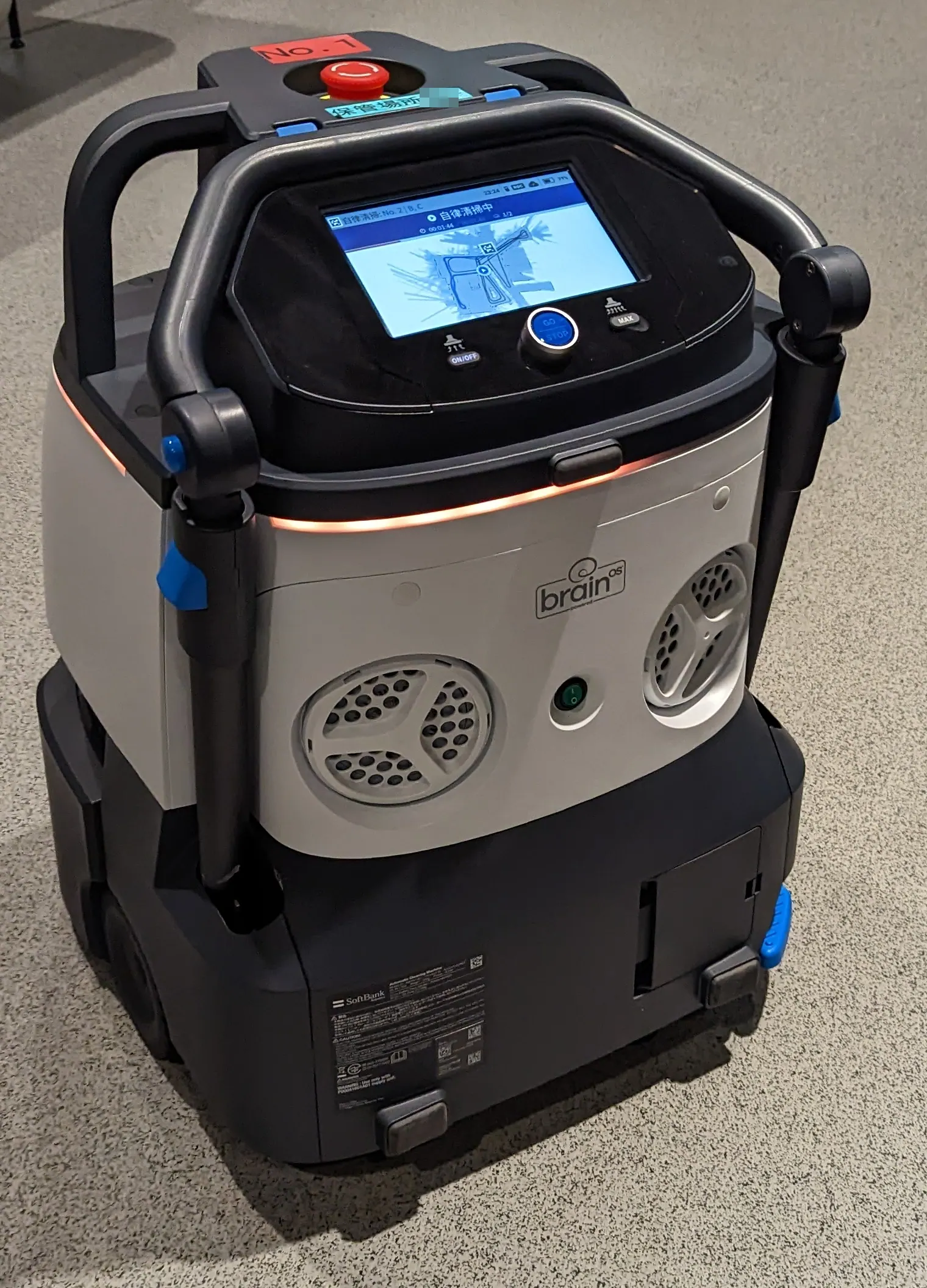
CC0, via Wikimedia Commons
A vacuum with a true HEPA filter and a fully sealed system removes at least 99.97% of particles down to 0.3 microns, which covers pet dander, dust mite waste, and most allergens that trigger reactions. That number is what matters, not the brand name or the price tag. If the machine isn't sealed, none of that filtering does much good because air just leaks out around the filter instead of through it.
The part most people miss: a HEPA filter alone doesn't do much
A lot of vacuums are sold with "HEPA filter" printed right on the box, and that's true, but the filter is only one piece of the system. If the vacuum's housing, hose connections, and dustbin lid aren't sealed, dirty air finds the path of least resistance and escapes through every gap instead of passing through the filter. This is common in cheaper uprights and some stick vacuums. You're paying for HEPA-level filtration and getting maybe half of it.
The other thing people overlook is the brush roll. A vacuum can filter air perfectly and still fling hair and dander back into the room if the brush roll agitates carpet fibers without enough suction to pull the loosened debris up immediately. This matters more on carpet than hardwood, since carpet holds dander deep in the fibers and releases it every time someone walks across it.
Bagged vacuums also tend to hold allergens better than bagless models. When you empty a bagless canister, you're opening a chamber full of fine dust and dander right next to your face. Bagged vacuums let you seal the whole bag and toss it, which cuts down on that exposure moment.
What to actually look for
Skip the marketing copy and check these features directly:
- Sealed HEPA system, not just a HEPA filter dropped into an unsealed housing. Manufacturers usually say "sealed system" or "allergy certified" if it qualifies.
- Strong suction rated in airwatts or sealed suction, not just amps. Amps measure motor power draw, not actual cleaning performance.
- A brush roll that can be turned off or adjusted for hardwood and low-pile areas, so it doesn't scatter debris on hard surfaces.
- Bagged design if you or someone in the household has moderate to severe allergies. Bagless is fine for mild sensitivity if you empty it outdoors or wearing a mask.
- Washable or easily replaceable filters, since a clogged filter loses effectiveness even if it started out rated well.
- Canister or upright with a hose long enough to reach upholstery, stairs, and pet beds without dragging the whole machine around.
For rentals and multi-unit buildings around Hartford, landlords often ask about robot vacuums as a low-effort option between tenant turnovers. They can help with daily hair pickup, but most robot models have weaker suction and smaller, harder-to-service filters than full-size vacuums. They're a supplement, not a replacement, especially in units with carpet.
Run the vacuum at least twice a week on carpet and once a week on hard floors if there's a pet in the house. Dander settles fast, and it builds up in carpet fibers faster than most people expect. Pay extra attention to areas where the pet sleeps or spends most of its time, since dander concentrates there.
If allergy symptoms stay bad no matter how often you vacuum, the issue might not be the vacuum at all. HVAC filters, upholstery, curtains, and mattresses hold dander too, and a deep clean that goes beyond floors can make a bigger difference than upgrading equipment. Shar's Cleaning Services handles deep cleans for households dealing with pet allergies around Bloomfield and the greater Hartford area, working through upholstery and other dander traps that a regular vacuum pass won't touch.
Related: How Often You Should Deep Clean a Home With Pets
Want your place handled properly?
Routine cleaning, deep cleans and move-in / move-out service around Bloomfield, Connecticut.
Get a quote