Garage Cleaning and Organizing Tips for New England Winters
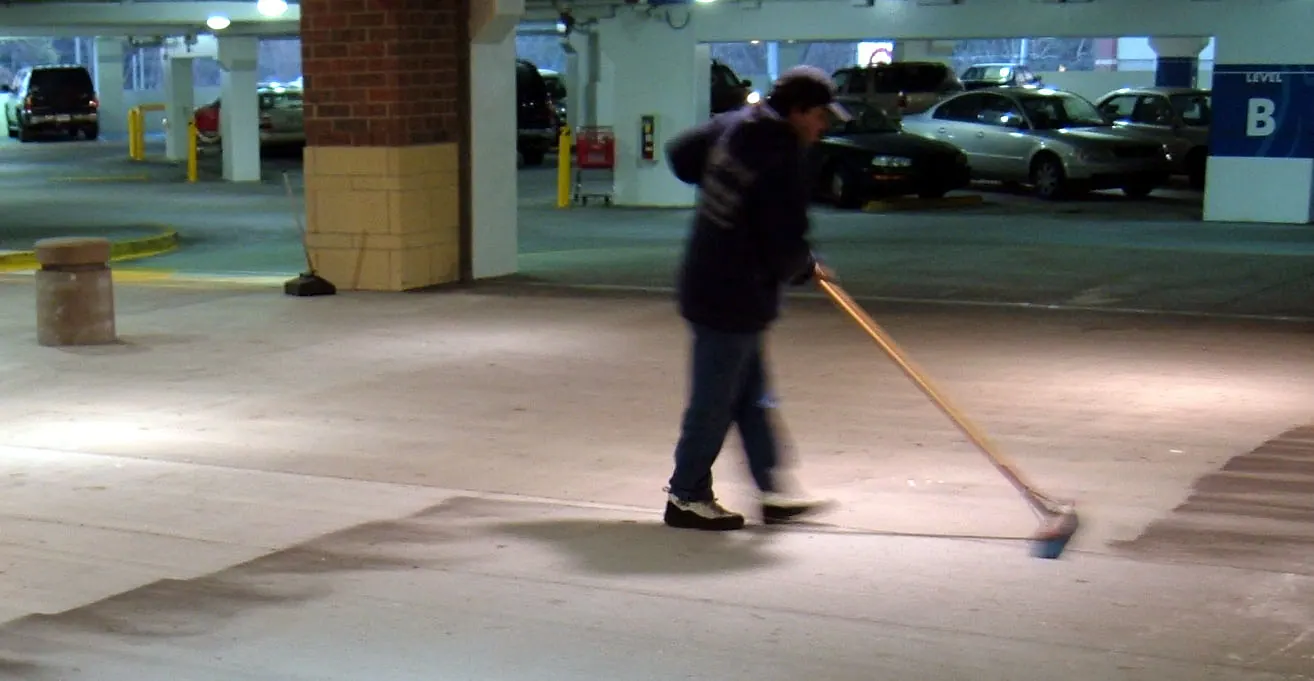
Public domain, via Wikimedia Commons
A garage in Bloomfield needs two different kinds of work before winter, not one. You need a real cleanout before the first snow, and you need a short weekly routine to keep salt and slush from taking the place over once winter starts. Skip the cleanout and you're organizing around clutter all season. Skip the routine and the clean garage you built in November is a swamp by February.
The short version
| Fall Deep Cleanout | Winter Maintenance Routine | |
|---|---|---|
| Time needed | A half day to a full weekend, once | 10 to 20 minutes, weekly |
| What it fixes | Clutter, dead storage, poor layout | Salt buildup, wet floors, gear drift |
| Best timing | Late October through mid-November | Every week once plowing starts |
| What happens if skipped | You organize around junk all winter | Rust, mildew smell, ruined floor sealant |
Where the fall deep cleanout wins
You cannot build a working system in a garage that's still full of last summer's pool floats, half-used bags of mulch, and three bikes nobody rides. The deep cleanout is where you actually decide what stays. That means pulling everything out onto the driveway on a dry day, sorting into keep, donate, and trash, and being honest about what you haven't touched since last winter.
This is also when you fix the layout. Wall-mounted hooks for shovels and ice scrapers, a bin specifically for winter boots and gloves, a shelf at waist height for the stuff you grab constantly. If you wait until January to do this, you'll be doing it in the cold with a car that needs to come inside right now. Fall is the only time this job is pleasant.
The cleanout is also when you catch the things that get worse if ignored: a cracked garage floor that will heave with freeze-thaw cycles, a door seal that's letting cold air and mice in, boxes sitting directly on concrete that wick moisture all winter. None of that gets fixed by a weekly wipe-down.
Where the winter maintenance routine wins
Once the plows run and you're tracking road salt and sand into the garage every day, a one-time cleanout stops mattering. Salt brine on a garage floor doesn't just look bad, it eats at metal, concrete sealant, and anything made of untreated steel sitting on the floor. A weekly routine is the only thing that actually controls this.
The routine doesn't need to be elaborate. Sweep or shop-vac the floor once a week, wipe down anything with visible white salt residue, and check that boots and shoes are landing in a tray instead of directly on concrete. If you park inside, a rubber containment mat under the car catches most of the mess before it spreads.
This is also the stretch where small habits prevent big problems. A garage that smells like mildew by February usually got that way from wet gear piled in a corner all winter, not from one bad day. Hanging wet coats and boots to dry instead of stacking them is a five-second habit that saves you a cleaning headache in spring.
What this looks like in practice
Most garages around Hartford County fall into the same pattern: things are fine through the first snow, then slide fast once salt and slush become a daily fact of life. The garages that stay usable all winter are the ones with a dedicated spot for wet gear, a floor that gets swept regularly instead of "when it's bad," and nothing stored directly on the concrete near the door where meltwater pools.
- Keep a boot tray or rubber mat right inside the door. Without one, salt and wet dirt travel straight into the house.
- Store boxes and bins on shelving, not on the floor. Cardboard wicks moisture and salt-laced slush faster than people expect.
- Group winter gear in one bin or shelf, not scattered. If scrapers, salt bags, and gloves are in different corners, people give up and leave gear on the floor instead.
- Check the garage floor drain, if you have one, before the first real snow. A clogged drain means standing water all winter.
- Sweep weekly rather than monthly. Dried salt grinds into concrete and tracks into vehicles and the house; wet salt just sits and corrodes.
The garage isn't usually where a cleaning company spends time, but the mess from it doesn't stay in the garage. Salt and sand track straight into entryways, mudrooms, and kitchen floors all winter long. If the indoor side of that is getting away from you, that's the part Shar's Cleaning Services around Bloomfield typically helps with, regular floor care and entryway cleaning that keeps winter grime from spreading through the rest of the house.
FAQ
How often should I actually sweep a garage in winter?
Weekly is a reasonable baseline if you're driving in daily and tracking salt. If you only use the garage occasionally, every two weeks is usually enough. The real signal is visible white residue on the floor. Once you see it, salt is already working on anything metal it touches.
Is it worth sealing a garage floor before winter?
If the concrete is more than a few years old and unsealed, a penetrating concrete sealer can cut down on salt staining and surface pitting. It's not a dramatic fix, more of a preventive one. Costs and products vary widely, so get a couple of quotes locally rather than assuming a number.
What should never be stored directly on a garage floor in winter?
Cardboard boxes, anything with exposed metal, and paper goods are the worst candidates. Meltwater and salt spray travel farther than people expect, even a few feet from where you park. A cheap wire shelf or set of plastic bins off the ground solves most of this.
My garage smells musty by midwinter. Is that mold?
It can be, but it's just as often wet gear and standing moisture with nowhere to dry out. Improve airflow, get wet boots and coats off the floor and hanging where air can reach them, and see if the smell clears in a week or two before assuming mold. If it doesn't clear, or you see visible growth, that's worth a professional look.
Want your place handled properly?
Routine cleaning, deep cleans and move-in / move-out service around Bloomfield, Connecticut.
Get a quote