How to Clean a Fireplace and Hearth Before Winter Fires Start
Public domain, via Wikimedia Commons
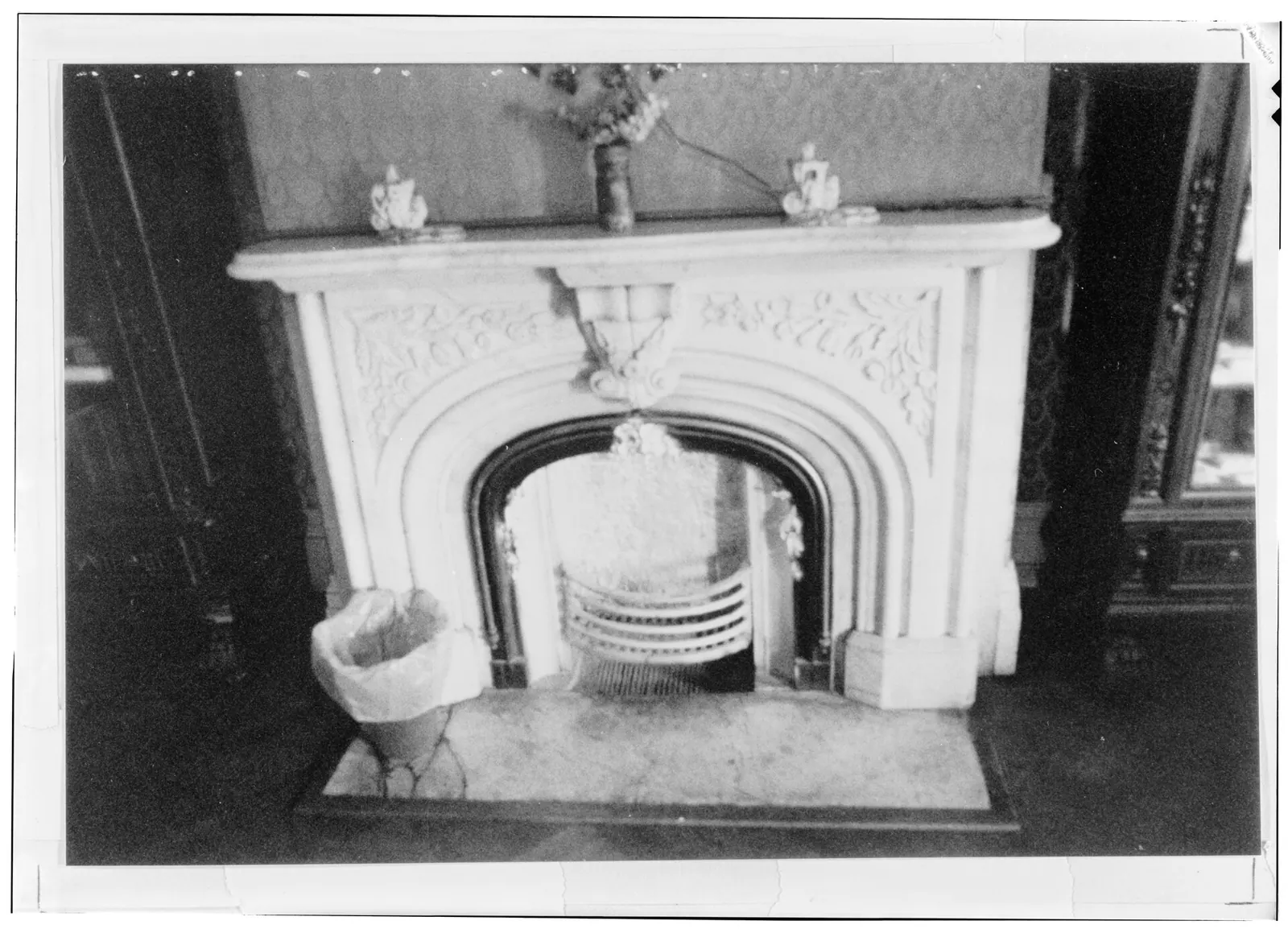
Clean a fireplace by scooping out cold ash down to a one-inch base layer, wiping soot off the hearth and surround with a damp cloth, and checking that the damper opens and closes fully. Do this before the first fire of the season, not after smoke starts backing up into the room. A fall cleaning also gives you a chance to spot cracked bricks or a warped damper while there's still time to get them fixed before you need the fireplace for heat.
Cleaning the Hearth Is Not the Same as Cleaning the Chimney
This is where most homeowners stop too soon. Sweeping ash and wiping soot off the hearth makes the room look clean, but it does nothing for the creosote that builds up inside the flue. Creosote is the tar-like residue left behind by burning wood, and it's the main fuel for chimney fires. One season of regular use can leave enough of it to matter, and if the chimney hasn't been swept in a year or more, the risk goes up fast.
You can't see creosote buildup from the living room. It coats the inside of the flue, out of sight, and it only announces itself with a strong tar-like smell, a smoky draw that didn't used to be smoky, or in the worst case, a fire inside the chimney itself. A visual check with a flashlight up through the damper can tell you if the flue looks heavily coated, but it won't tell you the full story the way a chimney sweep's tools will.
Connecticut's damp winters and the freeze-thaw cycle also do a number on chimney masonry. Small cracks let moisture in, moisture freezes and expands, and a small crack becomes a bigger one. None of that shows up when you're just cleaning out ash.
What to Actually Do Before the First Fire
Here's a reasonable order of operations for getting a fireplace ready:
- Wait until ash is fully cold, ideally a day or two after the last fire, before touching it.
- Scoop ash into a metal container with a lid, never plastic or paper. Ash can hold hidden embers for days.
- Leave a thin layer of ash, about one inch, in the firebox. A small base actually helps future fires burn better by reflecting heat back up.
- Vacuum remaining dust with a shop vac rated for ash, not a regular household vacuum, which can clog or push fine ash particles into the air.
- Wipe the hearth, mantel, and glass doors with a damp cloth. Soot comes off easier before it sits for months.
- Open and close the damper fully to check it moves freely and seals when shut.
- Look up the flue with a flashlight for obvious creosote buildup, cracks, or animal nests.
- Schedule a chimney sweep and inspection if it's been over a year, or if you burned regularly last season.
A chimney sweep typically runs somewhere in the $150 to $350 range depending on the chimney's condition and how long it's been since the last cleaning, though that's a general range and your actual cost will depend on the company and your specific setup. It's worth it. The alternative, a chimney fire or carbon monoxide backing up into the house, costs a lot more than a sweep's visit.
If ash and soot cleanup is one more thing on a long fall to-do list, it's a reasonable task to hand off. Shar's Cleaning Services handles hearth and surrounding area cleanup as part of seasonal deep cleaning for homes around Bloomfield, so the fireplace is ready to go without it being the thing you keep putting off.
Related: If you're dealing with lingering smoke smell in carpets and upholstery after a season of fires, that's a separate cleaning problem worth its own checklist.
Want your place handled properly?
Routine cleaning, deep cleans and move-in / move-out service around Bloomfield, Connecticut.
Get a quote