Sanitizing vs Disinfecting: What's the Difference and When Each Matters
CC0, via Wikimedia Commons
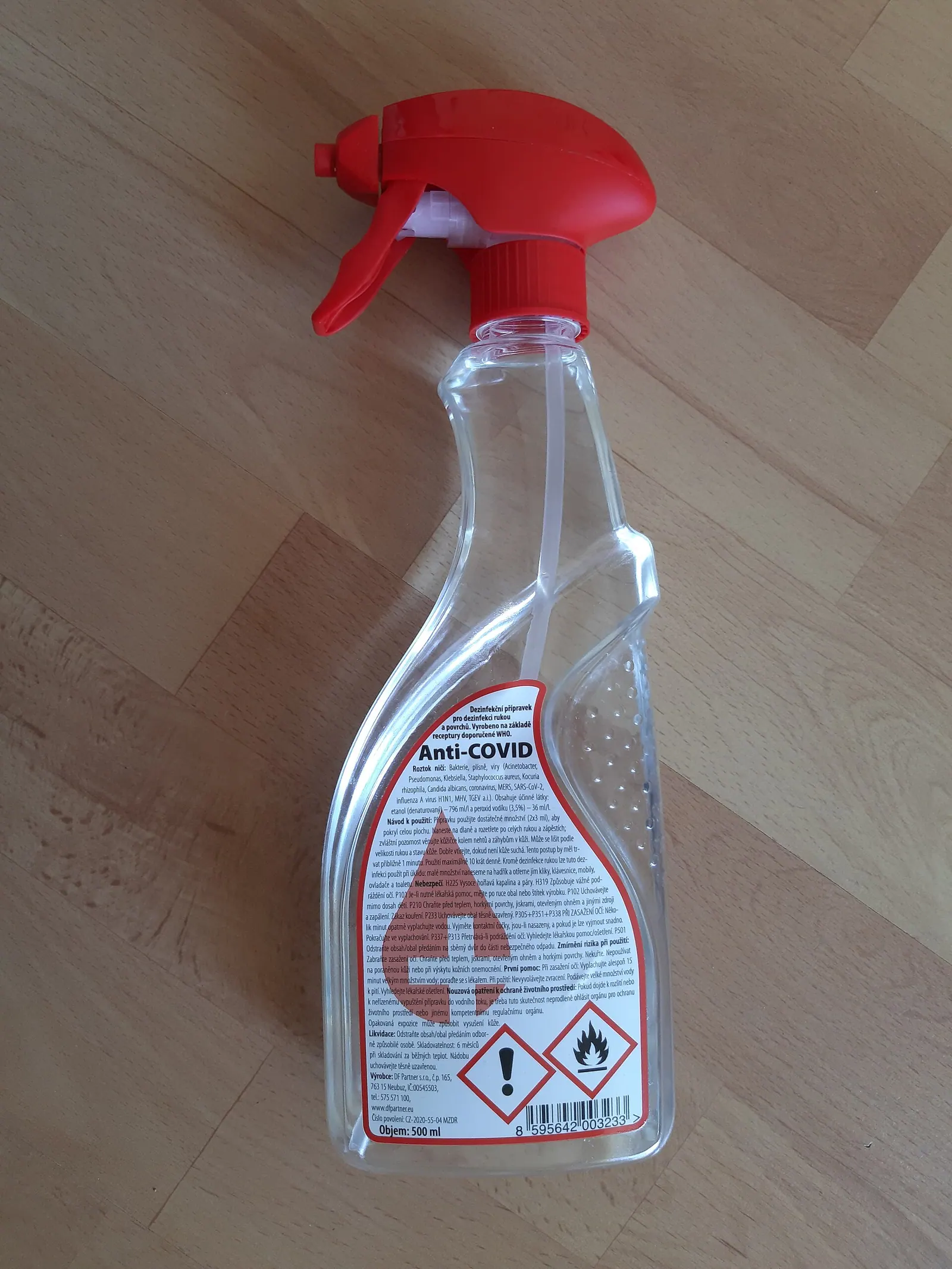
Sanitizing and disinfecting are not the same thing, and using the wrong one wastes money or leaves you less protected than you think. Sanitizing reduces germs to a level public health codes consider safe. Disinfecting kills nearly all of them, including viruses and tougher bacteria. Most everyday cleaning in a home only needs the first one. The second one matters after illness, raw meat contact, or in specific high-touch commercial settings.
The short answer
For most households, clean and sanitize weekly, disinfect only when there is a real reason to. Regular soap-and-water cleaning removes dirt and food residue, which is most of what makes a kitchen or bathroom feel and function clean. Sanitizing sprays or wipes knock down bacteria counts on food-prep surfaces. Disinfecting is a stronger, chemical step meant for moments when someone in the house is sick, when raw meat or eggs have touched a counter, or when a surface is a known high-risk spot like a doorknob during flu season. Reaching for disinfectant every single day on every surface is overkill for a healthy household and can be harder on finishes, skin, and indoor air than people realize.
What changes the timing
A few things push a household or business toward disinfecting more often, and a few things mean sanitizing alone is fine.
- Illness in the house. If someone has a stomach bug, flu, or COVID, disinfect shared bathrooms, doorknobs, light switches, and phones daily until they recover. Otherwise this is overkill.
- Food handling. Any surface that touched raw poultry, meat, fish, or eggs needs a real disinfecting step, not just a wipe with a dish rag. This applies in home kitchens and commercial ones equally.
- Foot traffic and shared use. A rental property between tenants, a small office lobby, or a daycare has more strangers touching the same surfaces than a private single-family home. That pushes toward more frequent disinfecting on high-touch points like handles and railings.
- Pets and kids. Homes with toddlers who put things in their mouths, or pets that shed and track outdoor bacteria in, often benefit from sanitizing floors and toys more often, though this is still usually sanitizing, not full disinfecting.
Signs you are overdue
Some symptoms show up before anyone realizes the cleaning routine has slipped.
- A cutting board or countertop that still smells faintly of raw chicken or fish after a normal wipe-down.
- Recurring colds or stomach bugs passing between household members one after another.
- Visible grime buildup around light switches, handles, and remote controls that never seem to get touched during regular cleaning.
- A bathroom that smells musty or shows pink or black film around the tub or toilet base, which points to mold or mildew that sanitizing alone will not fully clear.
- In a rental or office, a new occupant or employee mentioning the space "doesn't feel clean" even though it was tidied recently. That gut reaction is often about grime and buildup, not disinfection specifically, but it is a sign the routine needs a look.
What happens if you wait too long
Skipping sanitizing lets bacteria build up on surfaces that get touched constantly, which raises the odds of cross-contamination in a kitchen or the spread of a cold through a household. This is a gradual risk, not a dramatic one, but it adds up over a season, especially in homes with young kids or anyone with a weaker immune system.
Skipping disinfecting after an actual illness is the bigger risk. Norovirus, flu, and similar bugs can survive on hard surfaces for hours to a couple of days depending on the surface and conditions. If a sick household member's doorknobs, bathroom fixtures, and phone go untouched by disinfectant, the rest of the family has a real chance of catching what they had. In a rental unit between tenants, skipping a proper disinfecting pass on top of cleaning can carry illness or odor problems forward to the next occupant, which becomes a landlord's problem fast if a new tenant complains.
For small businesses, especially ones with public foot traffic like a small retail shop or office lobby in the Bloomfield or greater Hartford area, an inconsistent disinfecting routine on entry doors and counters is one of those things nobody notices until a bad flu season hits the staff hard, or a health inspector asks about the cleaning log. Neither situation is catastrophic on its own, but both are the kind of avoidable cost that comes from treating sanitizing and disinfecting as interchangeable when they are not.
Getting this right does not require a complicated system. Regular cleaning and sanitizing covers daily life. Disinfecting is a targeted tool for specific moments, not a default setting. If your household or business needs a routine built around the right level of cleaning for each space, Shar's Cleaning Services can help set one up that matches how the property is actually used.
Want your place handled properly?
Routine cleaning, deep cleans and move-in / move-out service around Bloomfield, Connecticut.
Get a quote